We've opened up spots to book in-person tours!

Blog

Montessori Education

Child Development in Montessori Education has divided into four important stages called the absorbent mind, reasoning mind, social consciousness, and transition into adulthood.

Young minds from birth to six years old are sensitive and it is essential for parents or adults to support them at this stage. 

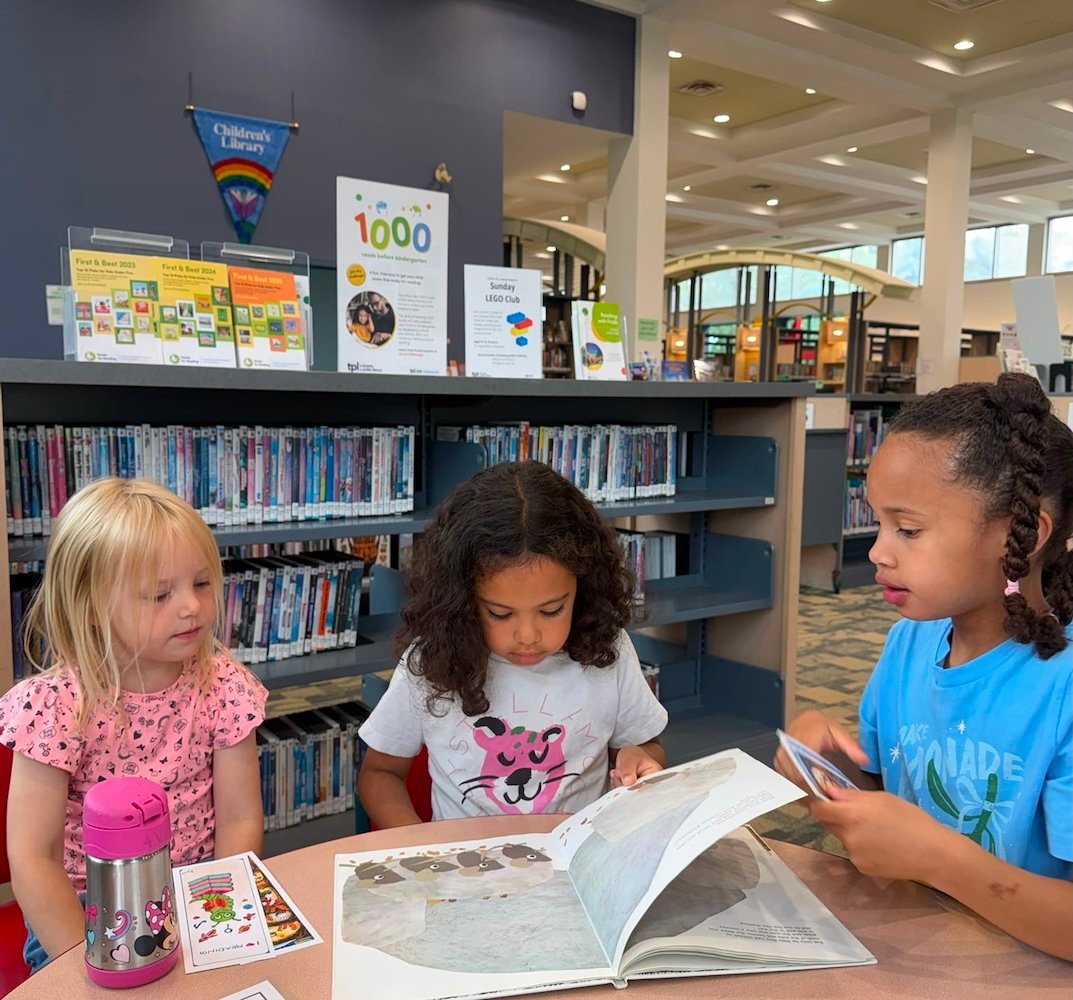
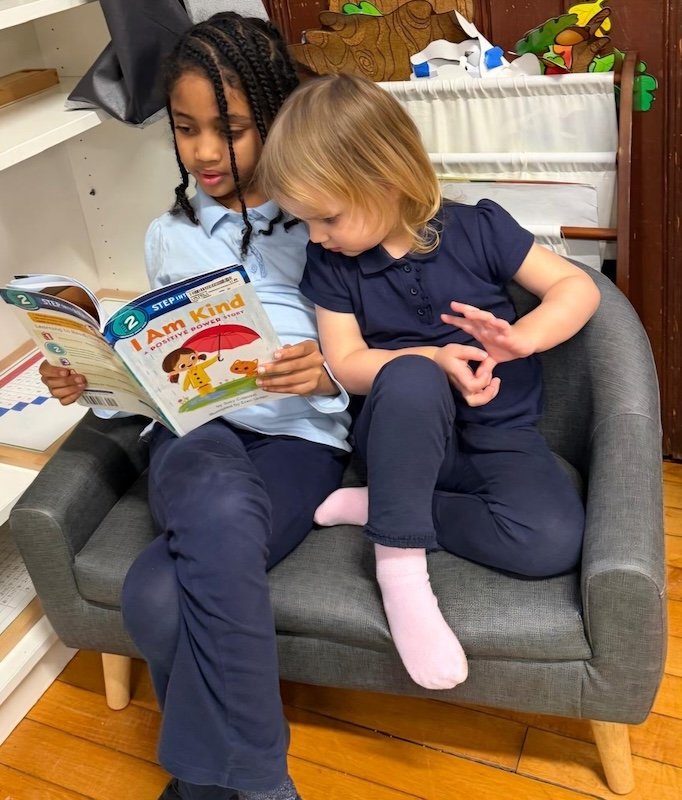
    1. At Alive Montessori & Private School, our mixed-age Elementary classrooms (Grades 1–6) create a natural environment for children to learn from and support one another. Older students often help younger classmates with reading, math, classroom routines, and new lessons.

      This benefits both children. Younger students gain confidence by learning from peers they look up to, while older students strengthen their own understanding, develop patience, and build leadership skills by helping others.

      Through this everyday peer mentorship, children learn to take responsibility, collaborate, communicate, and contribute to their classroom community. Leadership is not simply taught—it is practiced every day.

      Our Montessori approach prepares children not only for academic success, but also for life by helping them become confident, caring, independent, and responsible members of a community.

    1. 1. How children learn – Traditional schools are teacher-led with the whole class moving together; Montessori lets kids work at their own pace through hands-on activities, with teachers guiding rather than lecturing.
    2. 2. Classroom structure – Traditional classrooms are single-age/single-grade; Montessori classrooms mix ages (e.g., Grades 1–3 together), letting kids teach/learn from each other and progress by readiness rather than grade level.
    3. 3. Independence and self-direction – Framed as the biggest cultural difference: traditional classrooms are teacher-directed, while Montessori students make real choices about their work, building self-management skills.
    4. 4. Academics (the "behind or ahead" worry) – Directly addresses a common parent concern, arguing Montessori kids aren't behind and are often ahead in math/language due to deep understanding over memorization. 

Maria Montessori being an educator observed that the physical developments in each child, like crawling, walking, talking, etc happen during the same years. It is easily detectable in a child, but observing the mental development milestones is a little difficult. It hence has divided this into four important stages called the absorbent mind, reasoning mind, social consciousness, and transition into adulthood.

Young minds from birth to six years old are sensitive and it is important for parents or adults to support them at this stage. 

The Montessori theory of child development is called the four distinct planes of development that is an important phase between infancy and early adulthood. These developmental phases include both physical and psychological changes and accordingly the education system needs to be planned wherein children get the maximum benefit of learning.